Back to work

Case study / Syngenta Vegetable Seeds / 2025

An ethnographic interview process, built with AI.

I designed an AI-assisted way to rehearse and sharpen grower interviews before speaking with real people. The value was in asking better questions—not substituting synthetic answers for research.

Engagement

Syngenta Vegetable Seeds · UC Davis Graduate School of Management

My focus

Interview design, AI simulation, and guide refinement

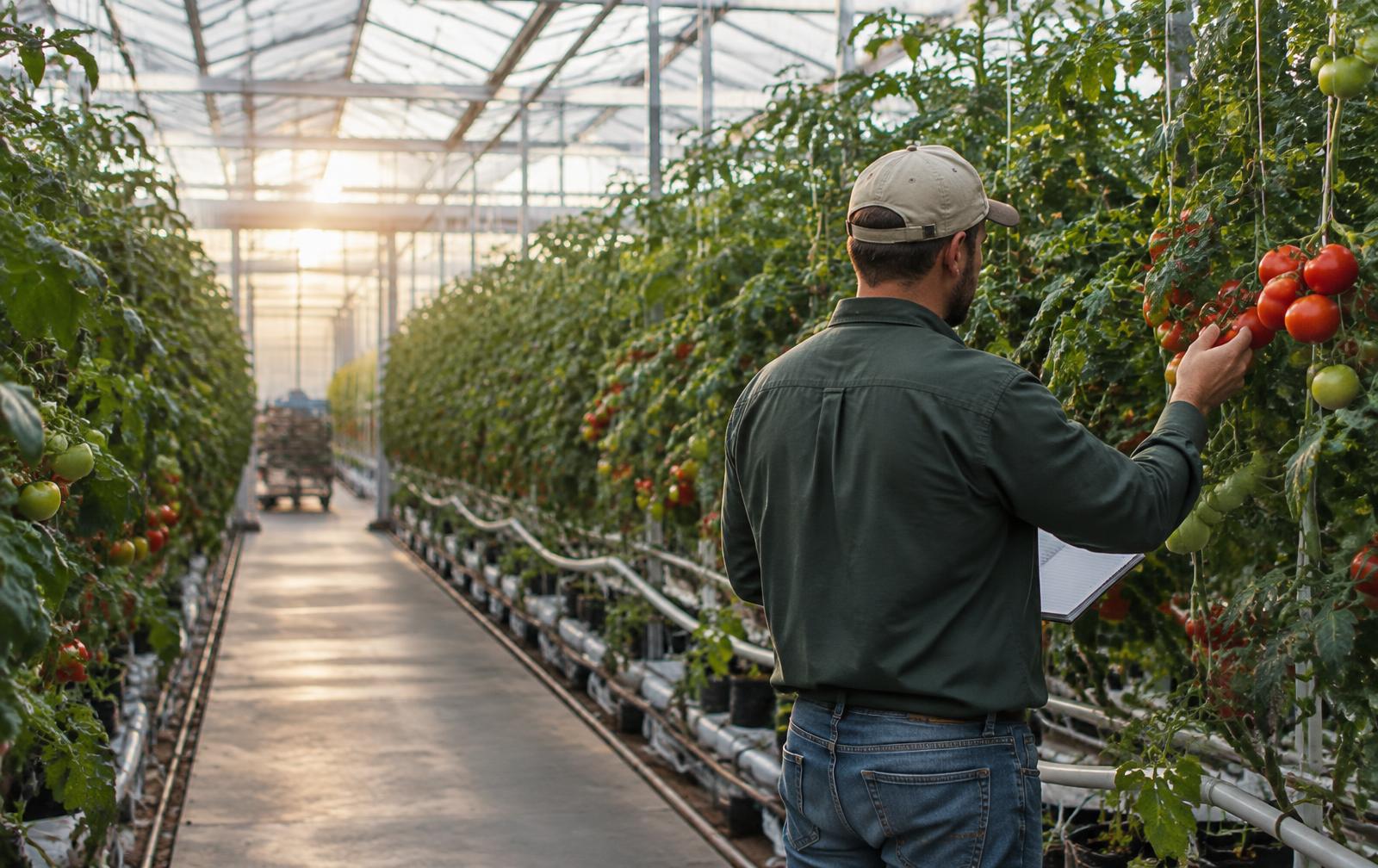
Grower examining tomatoes inside a greenhouse
Illustrative greenhouse image; not a project interview participant.

The question

How do you prepare to listen well?

Syngenta Vegetable Seeds was examining greenhouse growers’ needs and how seed partners could respond. For tomatoes and bell peppers—and, in the persona work, cucumbers—the decision to choose a seed partner reaches beyond a product specification. Local conditions, trials, support, and trust all matter.

I built a process to pressure-test an ethnographic interview guide before real conversations. AI gave me a way to rehearse across growing contexts; actual grower feedback remained the check on what the simulations could and could not tell me.
The method / five moves

From a research question to a better conversation.

A deliberately human-led loop: prepare, simulate, compare, revise.

01

Start with the grower's world

Research frame · open-ended interview guide

I framed open-ended questions around environmental fit, collaboration and trials, reliability, and brand trust. The aim was to hear how growers make decisions—not to confirm a predetermined answer.

02

Make the context specific

Inputs · crop / region / greenhouse / constraints

I defined inputs for simulated grower profiles: crop, region, greenhouse type, operating challenges, and decision factors. Trade media, grower testimonials, subject-matter insights, and regional crop parameters supplied context for the exercises.

03

Rehearse the conversation with AI

Prototype · simulated interviews

I ran mock grower interviews to test whether questions were clear, whether the sequence flowed, and where a more useful follow-up was needed. These simulated answers were practice material, not customer testimony.

04

Bring the guide back to real evidence

Reality check · actual grower feedback

I compared persona responses with actual grower feedback to challenge assumptions and refine the interview guide. AI could help prepare for a better conversation; it could not replace that conversation.

05

Carry better questions forward

Output · refined guide and sharper probes

The process made it easier to probe themes such as heat tolerance, trial speed, labor efficiency, and digital support across different growing contexts—without treating a simulated pattern as a verified market finding.

What the simulation changed

Specificity before certainty.

The persona exercises covered growing contexts in Ontario, California, Texas, and Querétaro. Their purpose was to make an interview feel less generic, not to claim that any invented grower represented a whole region.

Context

Crop and greenhouse conditions changed which follow-up questions made sense.

Clarity

Mock conversations exposed where questions could be more open and easier to follow.

Themes to probe

Heat tolerance, trial speed, labor efficiency, and digital support became sharper lines of inquiry.

Evidence

Real grower feedback was used to challenge the simulated responses before carrying themes forward.

The outcome

A stronger interview guide, not an automated answer.

The work produced a more focused interview guide and a repeatable way to rehearse questions against different greenhouse-growing situations. Comparing simulations with actual feedback helped surface which themes warranted deeper human inquiry.

AI was useful for practicing the conversation. The grower’s own account was still the evidence.

Next step

Have a problem worth structuring?

I take on a small number of projects at a time — usually where the question is still fuzzy and the stakes are not.